Why Door Knob Locks Fail — and What We Actually Fix
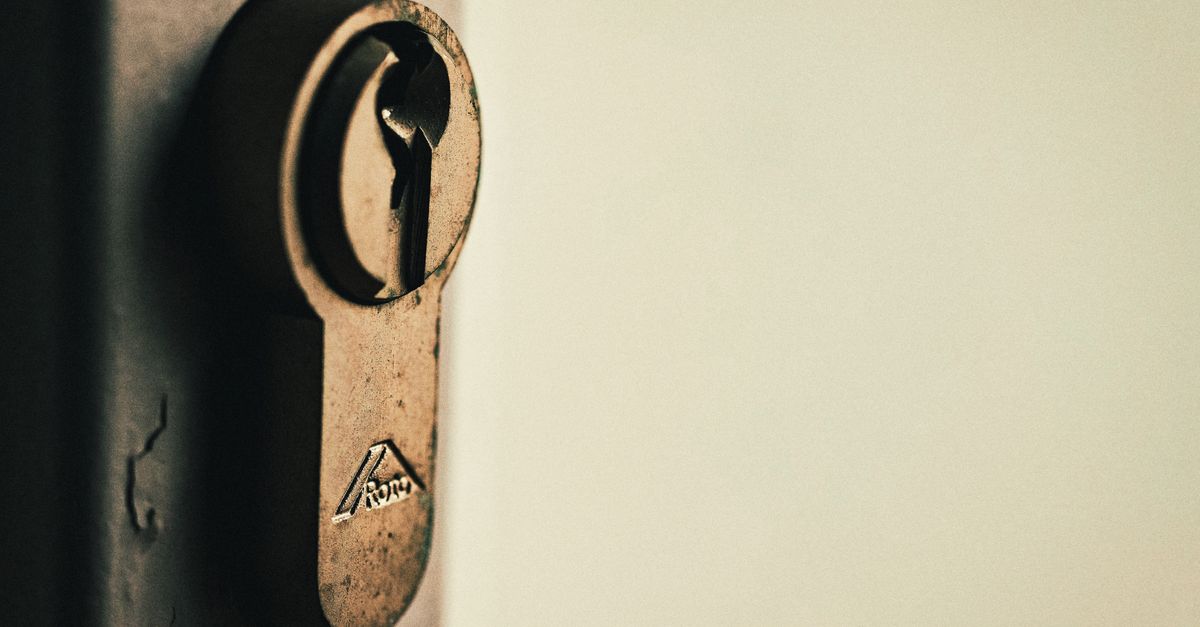
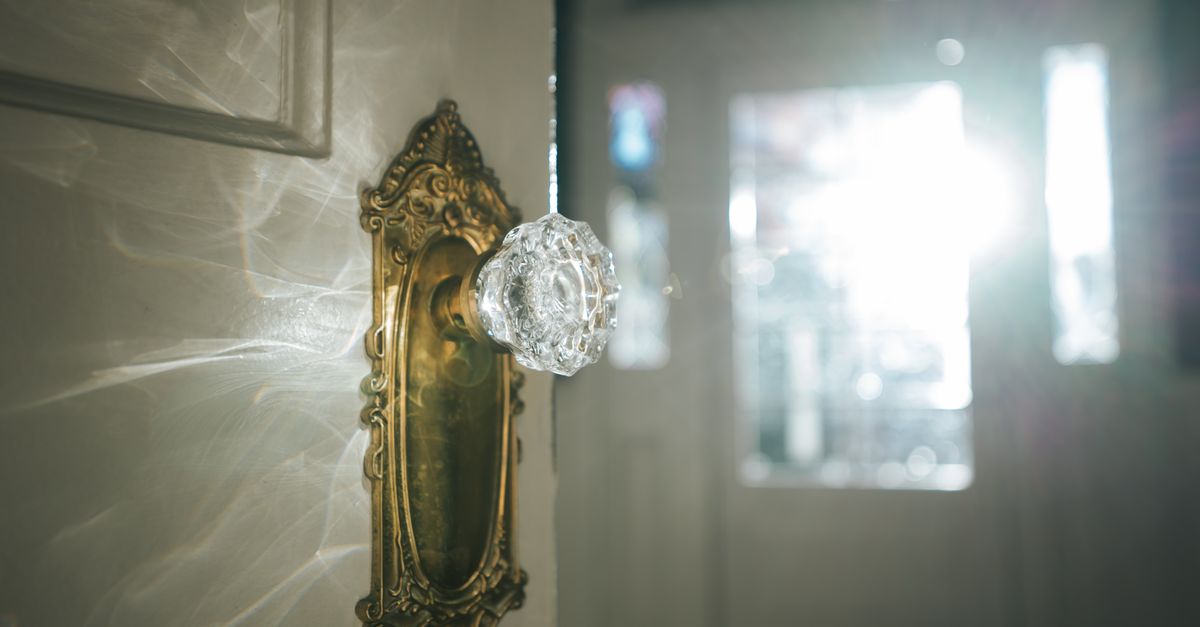
A door knob with lock and key is a deceptively simple device, but it contains a surprising number of moving parts: a spindle, a latch bolt, a rose plate, a chassis, a cylinder core, and a strike plate, all of which must align precisely to work. In Las Vegas, extreme heat causes metal components to expand and warp, and the fine desert dust works its way into cylinder pins and latch mechanisms, accelerating wear far faster than in cooler climates. The result is a knob that turns but doesn't retract the latch, a key that sticks or refuses to turn, a loose knob that spins freely without engaging anything, or a door that won't close because the latch and strike plate are no longer aligned. Each symptom points to a different root cause, and treating the wrong one wastes time and money.
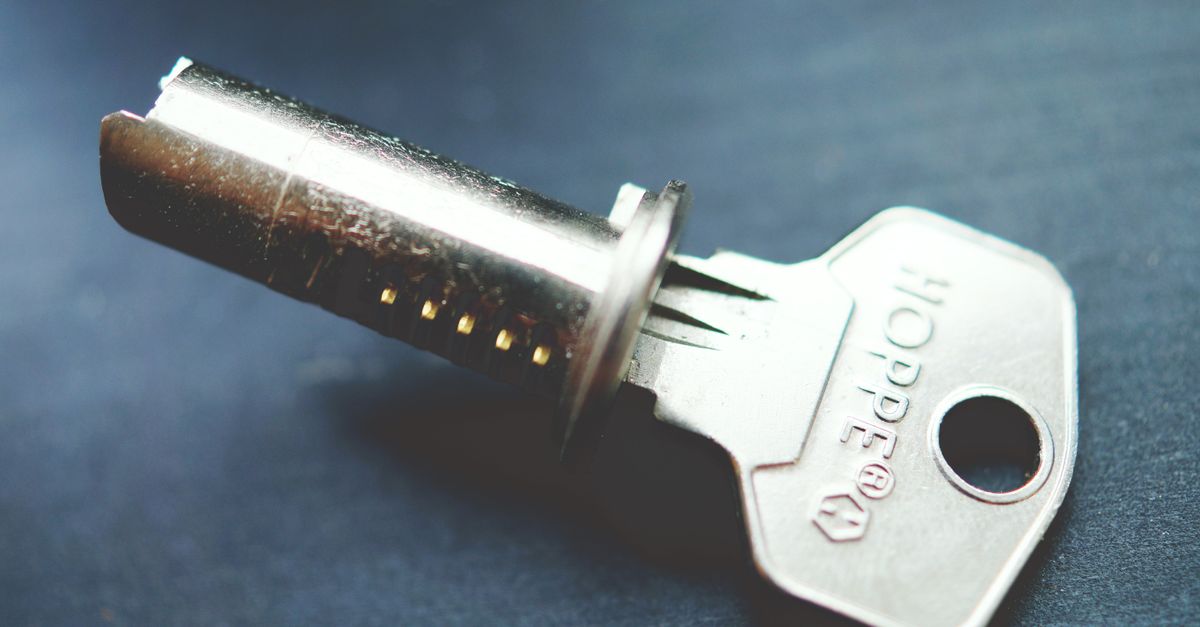
Our technicians begin every job with a structured diagnosis rather than jumping straight to a replacement. A misaligned strike plate is a five-minute adjustment. A worn latch spring can often be replaced without touching the cylinder. A compromised cylinder core — the component most relevant when a customer has wondered how to pick a door knob lock after losing their keys — can be re-keyed or swapped without replacing the entire knob set, preserving the hardware you already own. When the chassis itself is cracked or the interior mechanism has shattered, we carry Schlage, Kwikset, and other quality knob sets on our vans so we can fit a replacement the same visit. Every repair is approached with damage-free techniques wherever the door and frame allow, protecting your finish and your door's integrity.