What Is a Mortise Lock and Why Does It Behave Differently from Other Locksets?
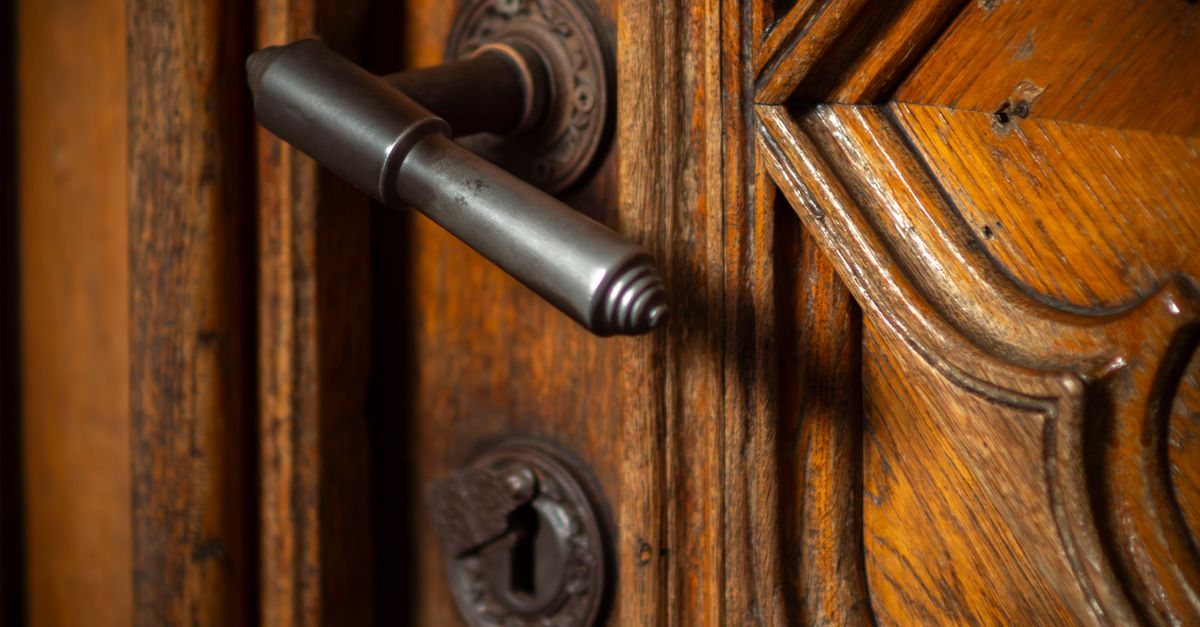
A mortise lock gets its name from the mortise — the rectangular cavity cut into the door stile to receive the lock body. The body itself is a self-contained cartridge that typically contains a spring latchbolt for passive closing, a deadbolt for keyed security, internal lever tumblers or pin-stack mechanics, and a separate mortise lock cylinder that threads or cams into the front face. Because every moving part lives inside the door rather than sitting on its surface, the hardware is far less exposed to tampering, weathering, and forced-entry leverage. That is why architects, commercial contractors, and historic preservation specialists still specify them today. Common brands our technicians service regularly include Baldwin mortise lock sets on upscale residential entries and Corbin Russwin mortise lock hardware on institutional and commercial doors — two product lines with very different internal geometry that require brand-specific tooling and replacement parts.
What makes mortise hardware rewarding to work on is also what makes it unforgiving for an untrained hand. The lock body must seat perfectly flush within its pocket; even a one-millimeter misalignment can bind the tailpiece that connects the exterior trim to the latchbolt cam, leaving a door that opens from one side only. On vintage doors — solid Douglas fir, old-growth pine, or dense mahogany found throughout older Las Vegas neighborhoods — the mortise pocket was hand-chiseled decades ago and rarely conforms to modern standard dimensions. Our technicians measure the existing pocket, the backset, the door thickness, and the hub distance before recommending any replacement part, ensuring a damage-free fit wherever the door's condition allows.